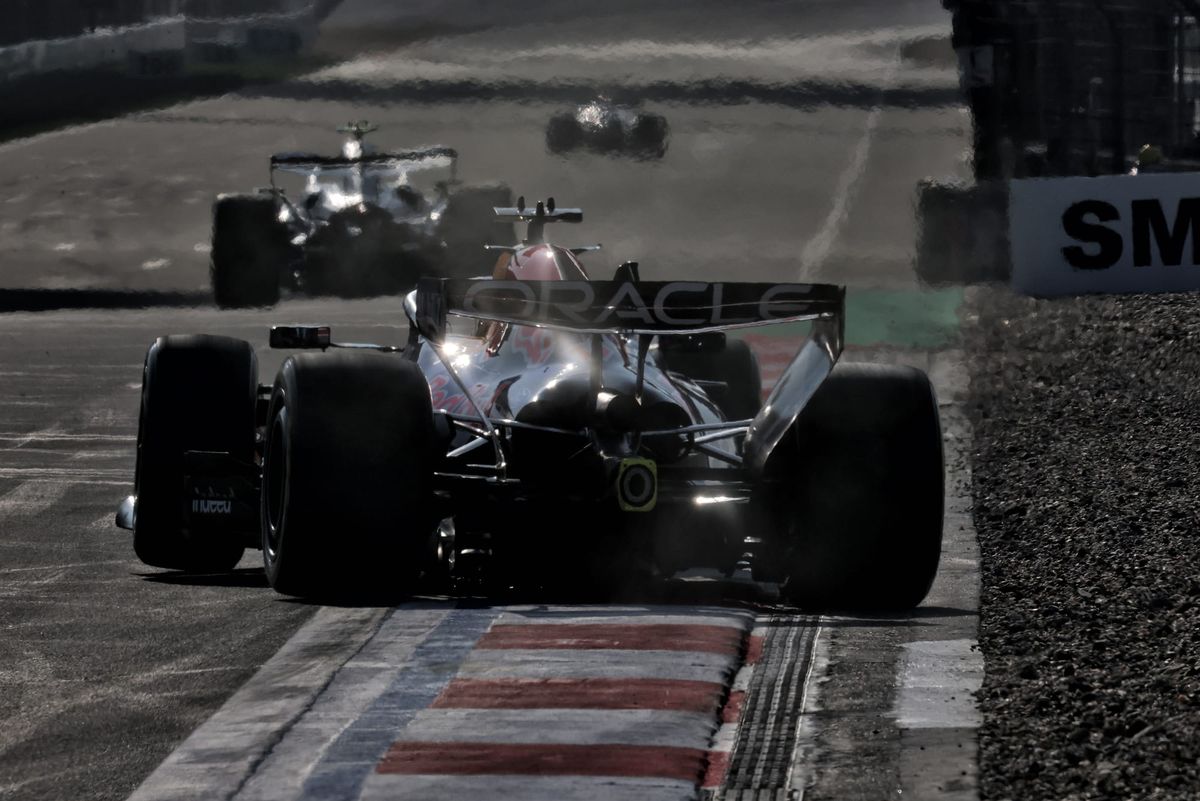
Formula 1 has long been celebrated for its thrilling races and technological innovation. However, in recent years, the sport's regulations have become a source of controversy and frustration among fans, teams, and drivers alike.
The core issue lies in the complex and often opaque rule changes implemented by the FIA, which many perceive as favoring certain teams or undermining the competitive balance. These regulations include technical specifications, sporting codes, and financial restrictions that are frequently updated, sometimes with little transparency or clear communication.
One of the main points of contention is the aerodynamic regulations, which aim to reduce downforce and improve overtaking. Yet, critics argue that these rules have led to unintended consequences, such as cars becoming less predictable and more difficult to race closely. This has diminished the spectacle for fans, who crave competitive and unpredictable racing.
Another aspect fueling dissatisfaction is the cost cap introduced to level the playing field. While intended to prevent wealthier teams from dominating, some argue that the cap has been manipulated or circumvented, creating an uneven playing field. Additionally, the financial restrictions have led to cost-cutting measures that may compromise the quality and safety of the cars.
Furthermore, the introduction of new technical directives and sporting regulations has often been criticized for their inconsistent application. This inconsistency has resulted in penalties and controversies during races, undermining the perceived fairness of the competition. Fans and teams alike have expressed frustration over the lack of clarity and the perceived arbitrariness of some decisions.
The governance of F1 has also come under scrutiny. Many believe that the FIA and Liberty Media, which owns the commercial rights, need to improve transparency and stakeholder engagement. The perception that decisions are made behind closed doors or favor certain interests has eroded trust within the paddock and among the global audience.
Despite these issues, F1 continues to evolve, with efforts underway to address some of these concerns. The sport's leadership has promised greater transparency and stakeholder consultation in future regulation changes. However, the challenge remains to balance innovation, safety, fairness, and entertainment, ensuring that the sport remains exciting and fair for all participants and fans.
In conclusion, the current state of F1 regulations reflects a complex interplay of technological, financial, and governance factors. While aimed at improving the sport, many believe that the rules have become too convoluted and contentious, leading to widespread dissatisfaction. The future of F1 will depend on how effectively these issues are addressed, restoring trust and excitement in the world's premier motorsport.